

January 2026
-

The Versatility of Adjustable Track Lighting in the Modern Home
Posted on: 26 Jan 2026. Category:The Versatility of Adjustable Track Lighting in the Modern Home
Lighting has a quiet but powerful influence on how we experience our homes. It shapes mood, highlights architecture, and makes everyday tasks easier and more enjoyable. Among the many lighting options available today, adjustable track lighting stands out as one of the most versatile and practical solutions for domestic spaces.
Once associated mainly with galleries or commercial interiors, track lighting has evolved into a stylish, flexible, and highly functional choice for modern homes. Let’s explore why adjustable track lighting deserves a place on your shortlist when planning or upgrading your home lighting.
What Is Adjustable Track Lighting?
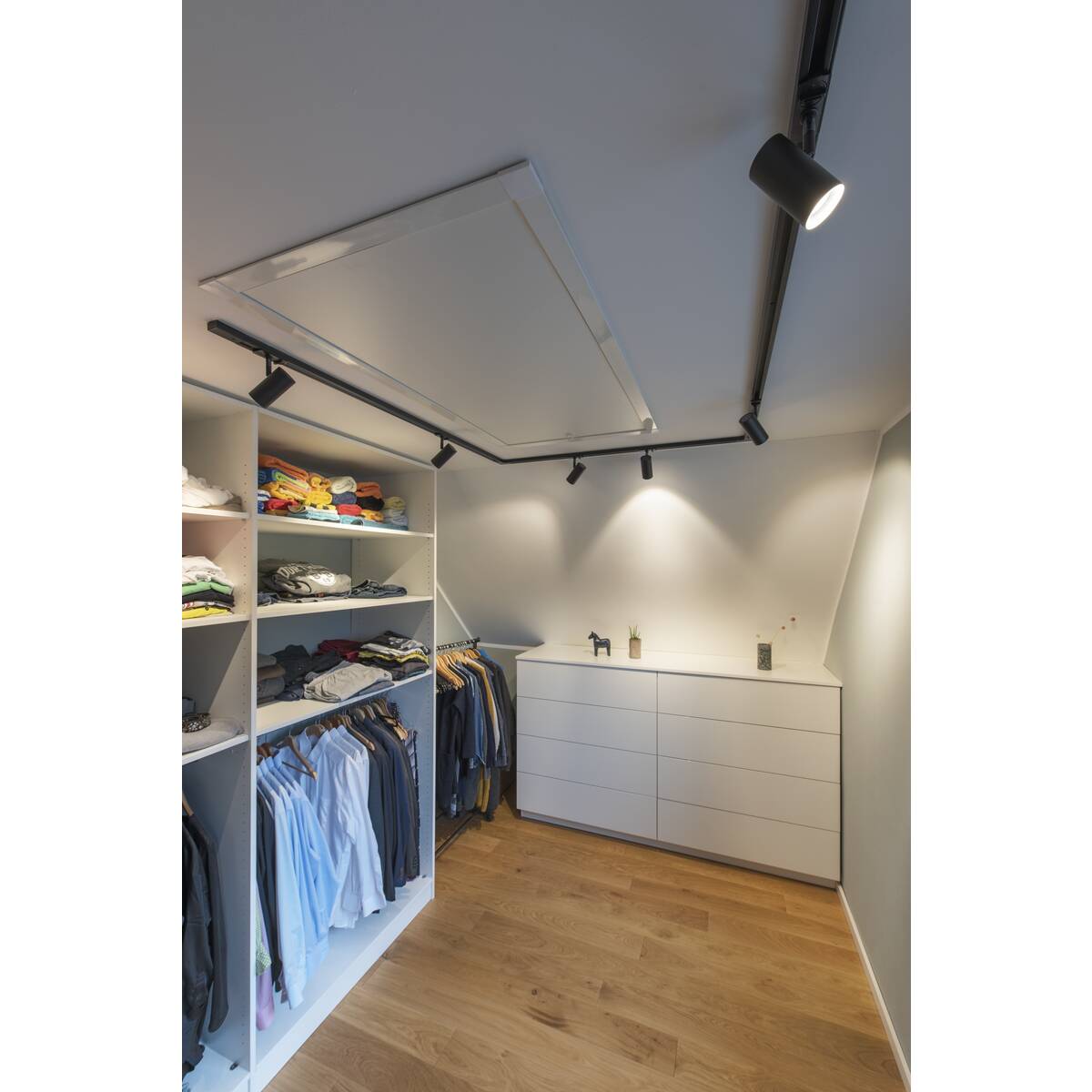
Track lighting consists of a linear track mounted to the ceiling or wall, with multiple light heads attached. The key advantage is adjustability: each light can be moved along the track and angled independently, allowing you to direct light exactly where it’s needed.
This flexibility makes track lighting uniquely adaptable to changing layouts, evolving décor, and multi-purpose rooms—common realities in domestic spaces.
Perfect for Multi-Functional Living Spaces
Modern homes often feature open-plan layouts where one room serves several purposes. A kitchen might flow into a dining area and living space, all within the same footprint. Adjustable track lighting shines (literally) in these environments.
You can:
-
Direct brighter light onto kitchen worktops
-
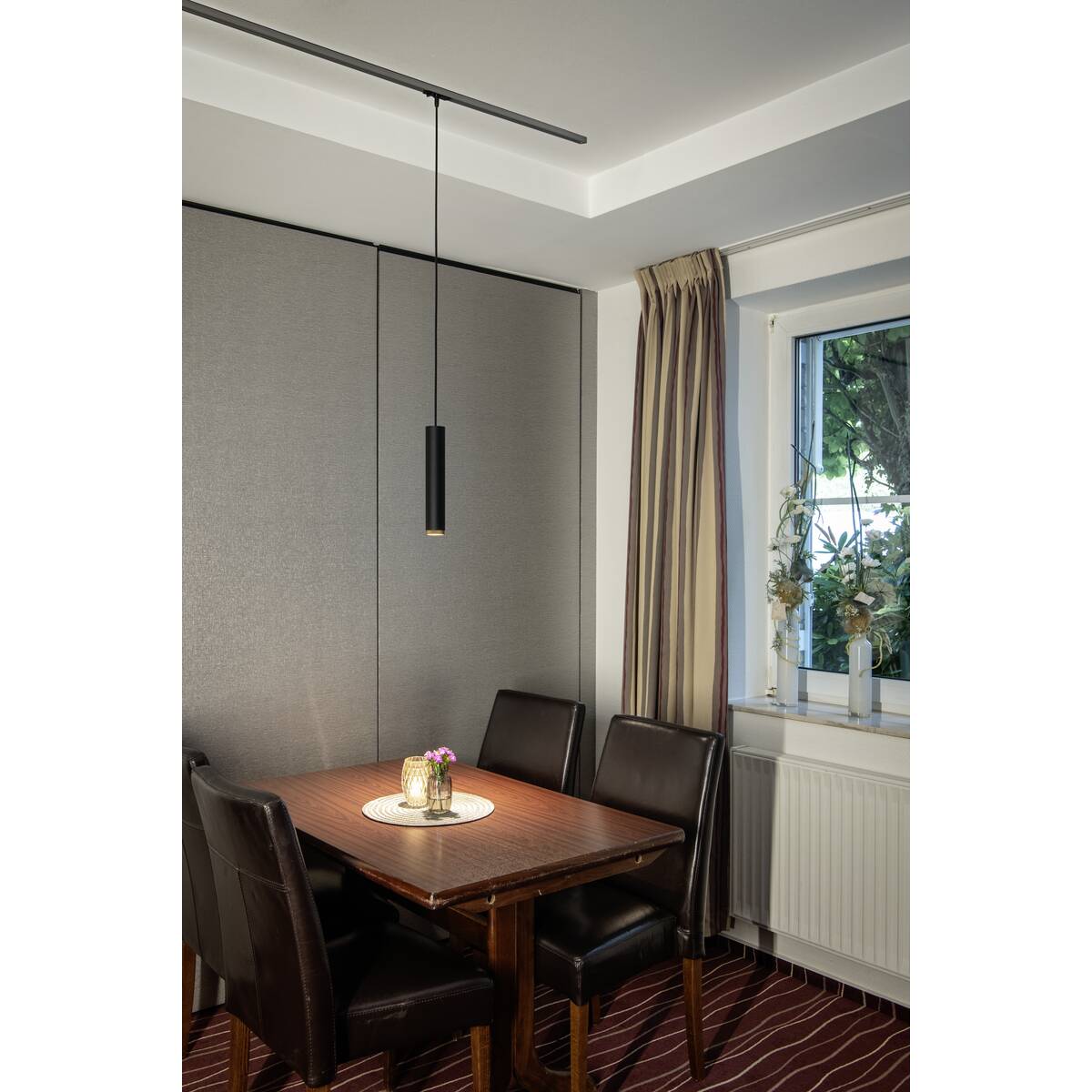
Soften illumination over dining areas
-
Highlight artwork or architectural features in the living space
All of this can be achieved on a single track system, reducing the need for multiple lighting fixtures and creating a cohesive look.
Ideal for Highlighting Features and Décor
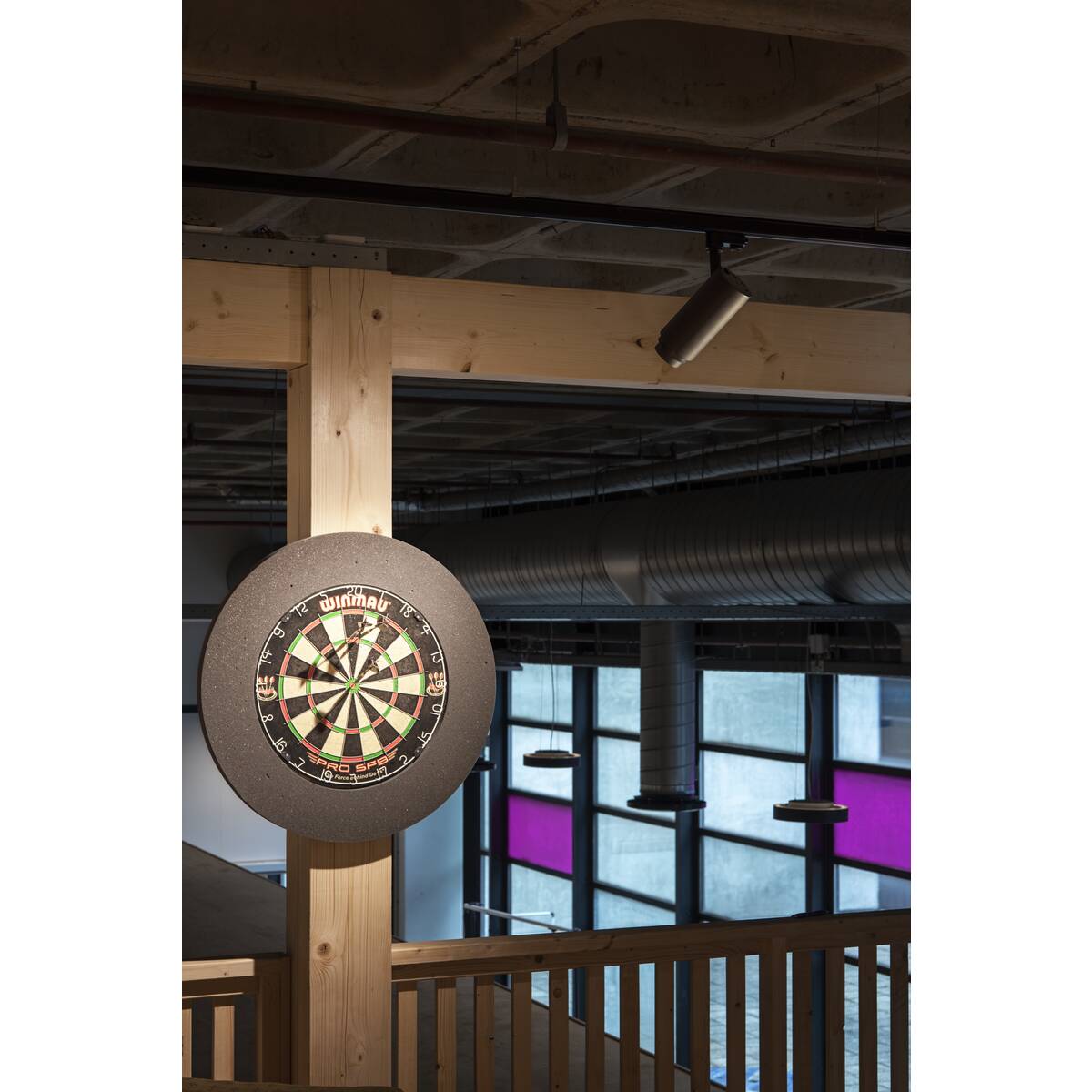
One of the biggest strengths of adjustable track lighting is its ability to act as accent lighting. Whether you want to showcase artwork, shelving, plants, or textured walls, track heads can be aimed precisely to draw the eye.
This makes it especially popular in:
-
Living rooms with feature walls
-
Hallways displaying photos or art
-
Bedrooms with statement headboards or wardrobes
As your décor changes, the lights can simply be repositioned—no rewiring required.
A Smart Solution for Kitchens
Kitchens demand both task lighting and ambient lighting, and track systems handle this dual role effortlessly. Adjustable heads can be aimed at food prep areas, sinks, and hobs, ensuring good visibility where it matters most.
Unlike fixed downlights, track lighting can be adapted if you rearrange appliances or update cabinetry, making it a future-proof choice for busy homes.
Style That Suits Every Interior
Adjustable track lighting is no longer limited to industrial aesthetics. Today’s designs range from sleek and minimalist to warm and decorative, available in finishes such as black, white, chrome, and brass.
This means track lighting can complement:
-
Contemporary and minimalist interiors
-
Industrial-style homes
-
Scandinavian and modern rustic spaces
-
Even traditional homes when chosen in subtle finishes
The ability to choose different track heads—spotlights, pendants, or decorative bulbs—adds another layer of customization.
Energy-Efficient and Budget-Friendly
Most modern track lighting systems are compatible with LED bulbs or have integrated LED technology. This brings several benefits:
-
Lower energy consumption
-
Reduced electricity bills
-
Longer lifespan compared to traditional bulbs
From a cost perspective, one track system can often replace several individual fixtures, making it an economical solution without sacrificing design impact.
Easy to Adapt as Your Needs Change
Homes evolve. Furniture moves, rooms get repurposed, and personal tastes change over time. Adjustable track lighting is designed with this reality in mind.
Instead of replacing fixtures, you can:
-
Slide lights along the track
-
Change the direction of each head
-
Swap out light fittings for a fresh look
This adaptability makes track lighting especially appealing for renters or homeowners who like to refresh their interiors regularly.
Choosing the Right Track Lighting for Your Home
When selecting adjustable track lighting, consider:
-
Track layout: Straight, L-shaped, or flexible tracks for corners
-
Light output: Ensure enough brightness for task areas
-
Colour temperature: Warm white for living spaces, neutral or cool white for kitchens and home offices
-
Dimming options: For added ambience and control
A well-planned track lighting system can transform both the look and functionality of a room.
Final Thoughts
Adjustable track lighting combines style, flexibility, and practicality in a way few other lighting solutions can. Its ability to adapt to different rooms, highlight features, and evolve with your home makes it an excellent choice for domestic use.
Whether you’re renovating, redecorating, or simply improving your lighting, adjustable track lighting offers a smart, modern solution that works as hard as your home does.
-
-
Rako Controls - RF Wireless Lighting System
Posted on: 20 Jan 2026. Category: Rako Showrooms South WestRako Controls RF Wireless Lighting System: Smart, Reliable Lighting Control
Rako Controls is a leading name in wireless lighting control systems, known for delivering reliable, flexible, and intelligent solutions for residential and commercial projects. At the core of the Rako ecosystem is its RF wireless lighting control system, designed to offer seamless control without the need for complex wiring.
Whether you’re planning a new build or upgrading an existing property, Rako’s RF technology provides a future-proof solution for smart lighting control.
What Is the Rako RF Wireless Lighting Control System?
The Rako RF wireless system uses radio frequency communication to connect lighting dimmers, keypads, sensors, and control interfaces. Instead of traditional wired control cables, Rako devices communicate wirelessly, allowing lighting control to be installed quickly and discreetly.
This makes Rako an ideal choice for:
-
Retrofit lighting control projects
-
Listed and heritage buildings
-
High-end residential properties
-
Commercial and hospitality environments
Reliable RF Wireless Performance
One of the key advantages of Rako Controls is the reliability of its RF wireless technology. The system operates using a robust radio protocol, with devices acting as repeaters to extend range and strengthen communication.
Benefits of Rako RF technology include:
-
Strong wireless signal coverage across large properties
-
Excellent penetration through walls and floors
-
Stable performance with minimal interference
-
Fast and responsive lighting control
Unlike cloud-based systems, Rako lighting scenes and commands are processed locally, ensuring continued operation even if the internet connection is unavailable.

Flexible Wireless Lighting Control
Rako’s RF system offers exceptional flexibility, allowing lighting to be controlled from multiple devices, including:
-
Wall-mounted wireless keypads
-
Wired keypads using Rako dimmer modules
-
Handheld remote controls
-
Occupancy and daylight sensors
-
Smartphone and tablet apps via Rako bridges
Because the system is wireless, additional controls or lighting zones can be added easily, making Rako a scalable lighting control solution that grows with your needs.
Scene Setting and Mood Lighting
The scene-setting capability of Rako RF lighting control is one of its strongest features. Users can create custom lighting scenes that adjust multiple circuits simultaneously, providing instant mood changes at the press of a button.
Popular lighting scenes include:
-
Relax
-
Entertain
-
Dining
-
Presentation
-
All Off
Scenes are stored within the system itself, ensuring fast response times and dependable operation.

Smart Home Integration
Rako Controls integrates seamlessly with a wide range of smart home and building automation systems. Using Rako interfaces and wireless bridges, lighting can be linked with:
-
Home automation platforms
-
Voice control systems
-
Audio-visual systems
-
Motorised blinds and shading
This makes Rako RF lighting control a popular choice for smart homes where lighting must work reliably alongside other technologies.
Ideal Applications for Rako RF Wireless Lighting
Thanks to its wireless architecture and professional-grade reliability, Rako is widely used in:
-
Luxury homes and apartments
-
Hotels and hospitality venues
-
Offices and boardrooms
-
Retail and commercial spaces
-
Listed and architecturally sensitive buildings
Installers benefit from reduced installation time, while end users enjoy intuitive control and long-term system stability.
Why Choose Rako Controls?
Choosing Rako RF wireless lighting control means investing in a system that prioritises:
-
Reliability over cloud dependency
-
Flexibility without complex wiring
-
Scalability for future expansion
-
Professional-grade performance
Rako’s RF technology delivers intelligent lighting control that is easy to use, simple to expand, and built to last.
Conclusion
The Rako Controls RF wireless lighting system offers a powerful combination of reliability, flexibility, and smart control. By eliminating the need for extensive wiring and delivering dependable wireless performance, Rako provides a lighting control solution that works seamlessly in both residential and commercial environments.
For anyone seeking a proven, future-ready wireless lighting control system, Rako Controls remains a market-leading choice.
-
-
Best Place to Buy Lighting No.1 Fittings
Posted on: 12 Jan 2026. Category:Choosing the right lighting is about more than just illumination — it’s about enhancing interiors, creating atmosphere, and selecting fittings that combine style, quality, and long-term reliability. Lighting No.1 has established itself as a trusted brand for design-led lighting that delivers both form and function.
With a wide selection of pendants, ceiling lights, and statement fittings, the Lighting No.1 range suits both residential and commercial interiors. Each piece is thoughtfully designed, using high-quality materials and refined finishes to provide lighting that is both beautiful and durable.
Design-Led Pendants with Timeless Appeal
Lighting No.1’s pendants are a perfect example of clean, versatile design.
Multi Spiral Satin Gold LED Pendant (SKU: LNO116A)
A sculptural spiral design with a satin gold finish and integrated LED. Ideal as a centrepiece in open-plan living areas or feature spaces, this pendant combines dramatic form with functional illumination.
Dune Crystal Glass Halo Pendant (SKU: LNO117A)
This elegant halo-style pendant with crystal detailing creates a glamorous focal point while providing ambient light. Perfect for dining areas, lounges, or any space that benefits from refined sparkle.
Satin Gold LED Ring Pendant (SKU: LNO111A)
A contemporary ring-shaped pendant in satin gold with integrated LED. Its minimalist, sculptural form suits kitchens, hallways, or modern interiors that need a stylish statement without overpowering the space.
Statement Lighting for Impact Spaces
Lighting No.1 also offers bold, architectural designs for spaces that demand attention.
Antique Gold Chandelier with Clear and Amber Glass Details (SKU: LNO106A)
A decorative chandelier combining antique gold finishes with glass detailing. Ideal for larger rooms, entrance halls, or dining spaces, it balances elegance and visual impact.
Tiered Antique Brass and Glass Disc Pendant (SKU: LNO098A)
A dramatic tiered design with antique brass and glass discs, perfect for high ceilings or areas that benefit from a striking decorative feature.
Practical Elegance for Everyday Spaces
For rooms with lower ceilings or spaces where subtlety is preferred, Lighting No.1 provides semi-flush and mid-century-inspired options.
Matt Warm White & Satin Gold Mid-Century Pendant (SKU: LNO109B)
Combines warm white shades with satin gold accents, bringing gentle light and character to hallways, bedrooms, or lounges. A practical yet stylish choice for everyday interiors.
Quality You Can Depend On
Lighting No.1 maintains consistent quality across all fittings. Solid metal finishes, carefully crafted glass components, and compatibility with modern LEDs ensure each product delivers long-term performance. This makes the range popular not only for homeowners but also for designers, electricians, and developers seeking reliable, stylish lighting.
Why Choose Lighting No.1 Fittings
·
Timeless designs suitable for modern and traditional interiors
·
High-quality materials and dependable construction
·
A versatile range — from subtle everyday lights to bold statement pieces
·
Excellent value compared to similar design-led brands
Conclusion
Lighting No.1 offers a perfect balance of style, functionality, and durability. Whether it’s the sculptural drama of the Multi Spiral Satin Gold LED Pendant (LNO116A), the elegant ambient glow of the Dune Crystal Glass Halo Pendant (LNO117A), or the decorative presence of the Antique Gold Chandelier (LNO106A), each fitting provides both visual appeal and reliable illumination.
For those looking to invest in lighting that enhances interiors and stands the test of time, Lighting No.1 is the definitive choice.
-
Electric Heating: A Smart, Sustainable Way to Warm Your Home
Posted on: 05 Jan 2026. Category:As energy efficiency and sustainability become top priorities for homeowners and businesses alike, electric heating is gaining renewed attention. Once considered expensive or inefficient, modern electric heating technologies have evolved significantly, offering clean, flexible, and increasingly cost‑effective solutions for a wide range of applications. This blog explores what electric heating is, how it works, its benefits and drawbacks, and why it may be a smart choice for the future.
What Is Electric Heating?
Electric heating refers to systems that convert electrical energy into heat for space heating, water heating, or industrial processes. Unlike gas or oil‑based systems that rely on combustion, electric heating produces heat without burning fuels on site.
Common types of electric heating include:
-
Electric resistance heaters (baseboard heaters, fan heaters)
-
Infrared heaters
-
Electric underfloor heating
-
Storage heaters
-
Heat pumps (air‑source and ground‑source, often grouped with electric heating due to electric operation)
How Electric Heating Works
At its simplest, electric heating works by passing an electric current through a resistive element, which converts electricity into heat. This heat is then transferred to the surrounding air or surfaces. More advanced systems, such as heat pumps, use electricity to move heat rather than generate it directly, making them far more efficient.
Advantages of Electric Heating
1. Energy Efficiency
Modern electric heating systems can be extremely efficient at the point of use. Resistance heaters convert nearly 100% of the electricity they consume into heat. Heat pumps go even further, delivering three to four units of heat for every unit of electricity used.
2. Low Carbon Potential
Electric heating produces no on‑site emissions. When powered by renewable energy sources such as solar, wind, or hydroelectric power, it can be one of the cleanest heating options available.
3. Easy Installation and Maintenance
Electric heating systems are generally simpler to install than gas or oil systems. They do not require flues, chimneys, or fuel storage tanks, and maintenance needs are minimal.
4. Precise Control
Electric heating allows for excellent temperature control. Many systems support room‑by‑room zoning, smart thermostats, and programmable schedules, helping reduce wasted energy.
5. Safety
Without combustion, electric heating eliminates risks associated with gas leaks, carbon monoxide, and fuel handling.
Disadvantages of Electric Heating
1. Electricity Costs
In many regions, electricity is more expensive per unit than gas. Poorly designed or outdated electric heating systems can result in higher energy bills.
2. Grid Dependency
Electric heating relies entirely on the electricity grid. Power outages or grid limitations can impact heating availability unless backup systems are in place.
3. Upfront Costs for Advanced Systems
While basic electric heaters are affordable, advanced options like heat pumps or underfloor heating can have higher upfront installation costs.
Electric Heating vs. Gas Heating
Feature Electric Heating Gas Heating On‑site emissions None CO₂ and pollutants Installation Simple Complex (pipes, flue) Maintenance Low Moderate Carbon footprint Low (with renewables) Higher Running costs Variable Often lower (currently) As electricity grids become greener, the long‑term environmental advantage of electric heating continues to grow.
Electric Heating and the Future
Governments around the world are promoting electrification as part of climate‑change strategies. Incentives for heat pumps, smart grids, and renewable energy integration are making electric heating more attractive than ever.
Innovations such as:
-
Smart home integration
-
Thermal energy storage
-
AI‑driven energy management
are further improving performance, comfort, and affordability.
Is Electric Heating Right for You?
Electric heating is particularly well‑suited for:
-
Well‑insulated homes
-
Apartments or buildings without gas access
-
Homes using solar panels or renewable energy
-
People seeking low‑maintenance, clean heating
Choosing the right system and ensuring good insulation are key to maximizing benefits and minimizing costs.
Conclusion
Electric heating has come a long way from its early reputation. With modern technology, smart controls, and increasing access to renewable electricity, it offers a clean, flexible, and future‑proof heating solution. While it may not be ideal for every situation, electric heating is becoming an essential part of the global transition toward sustainable energy.
If you’re planning a new build, renovation, or energy upgrade, electric heating is well worth considering.
-